6 hr
Mumbai Heritage Walk and Elephanta Caves Experience
6-hour combo tour: South Mumbai heritage walk and Elephanta Caves ferry trip
Show inclusions & important info
Includes
- Priority access
- Skip the queue
- Mobile voucher
- Free cancellation
Cross the harbour at dawn, climb into the rock-cut dark.
Hand-picked by our editors — only the best 5 guided experiences from 2,400 reviewed.
Verified partners for Elephanta Caves tours, free cancellation where available, and instant confirmation on every booking.
6 hr
6-hour combo tour: South Mumbai heritage walk and Elephanta Caves ferry trip
Private Mumbai sightseeing and Elephanta Caves tour with air-conditioned vehicle
Private guided tour of Elephanta Caves and the historic island of Gharapuri
All-inclusive guided tour of Elephanta Caves UNESCO World Heritage Site
Reach Elephanta Island in just 20 minutes via premium speedboat, skipping long queues
Prices from verified partners. Availability updates in real time at checkout. Free cancellation policies apply where shown.
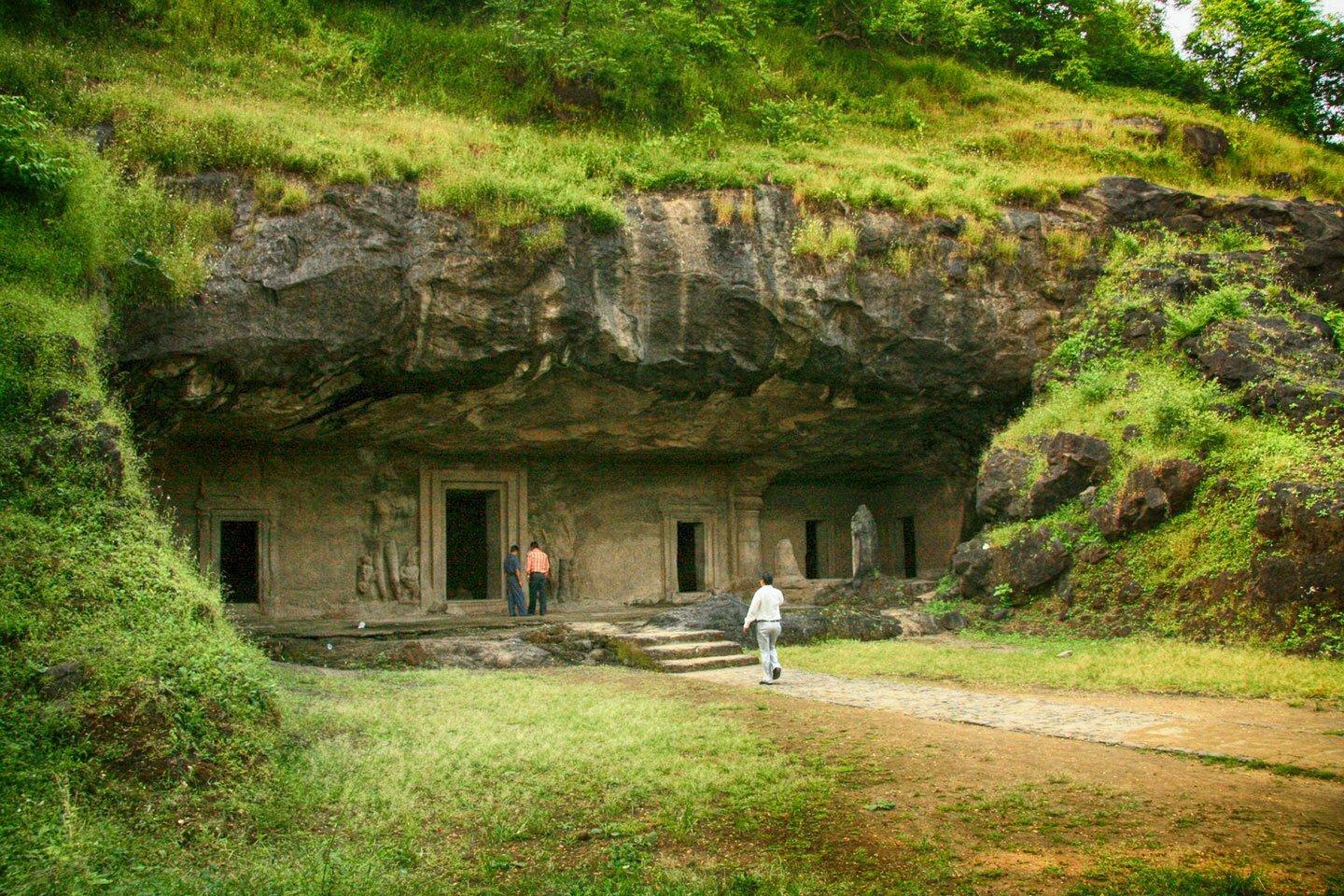
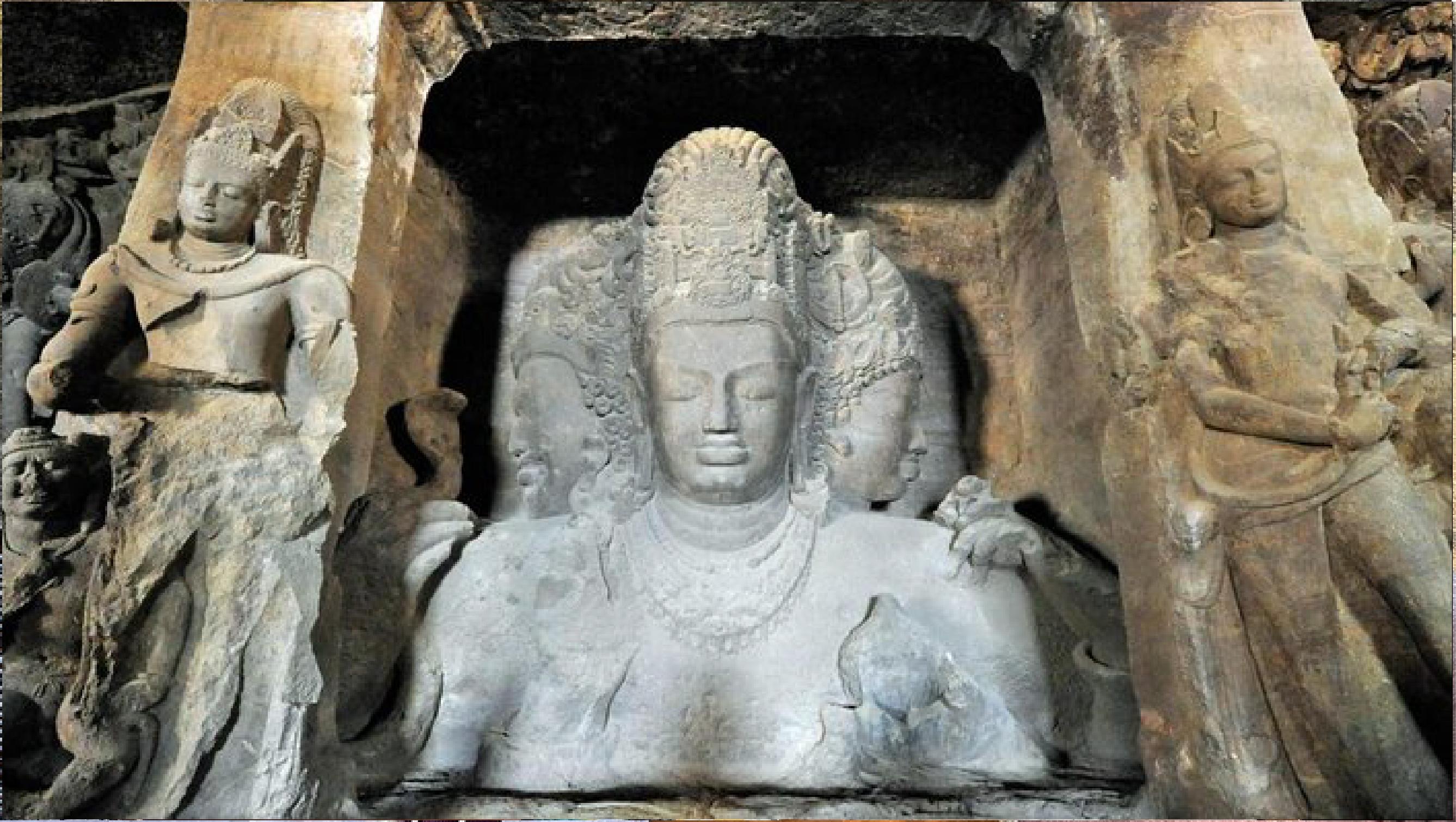
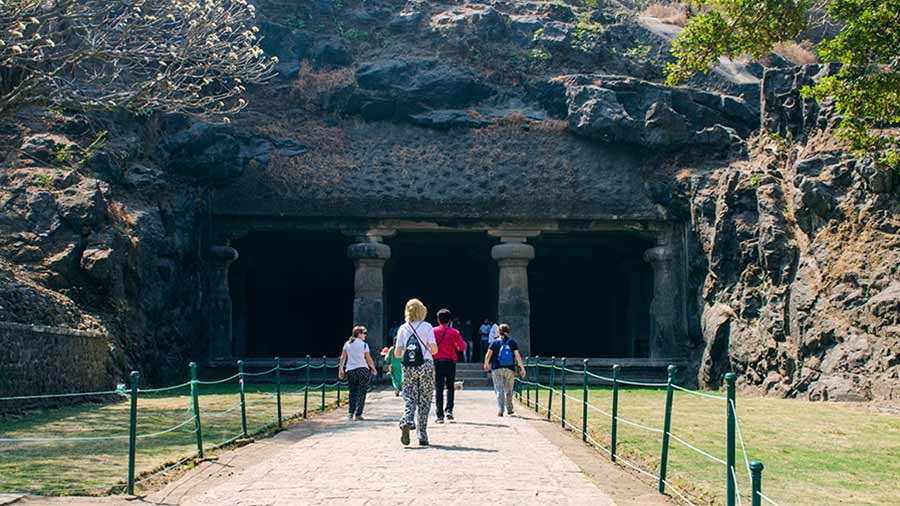
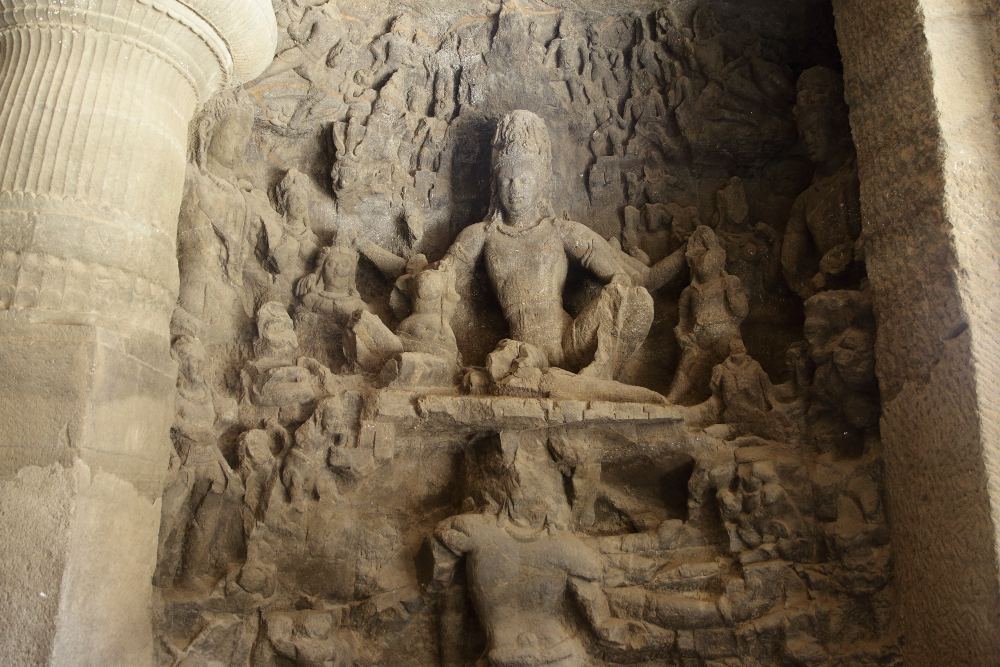
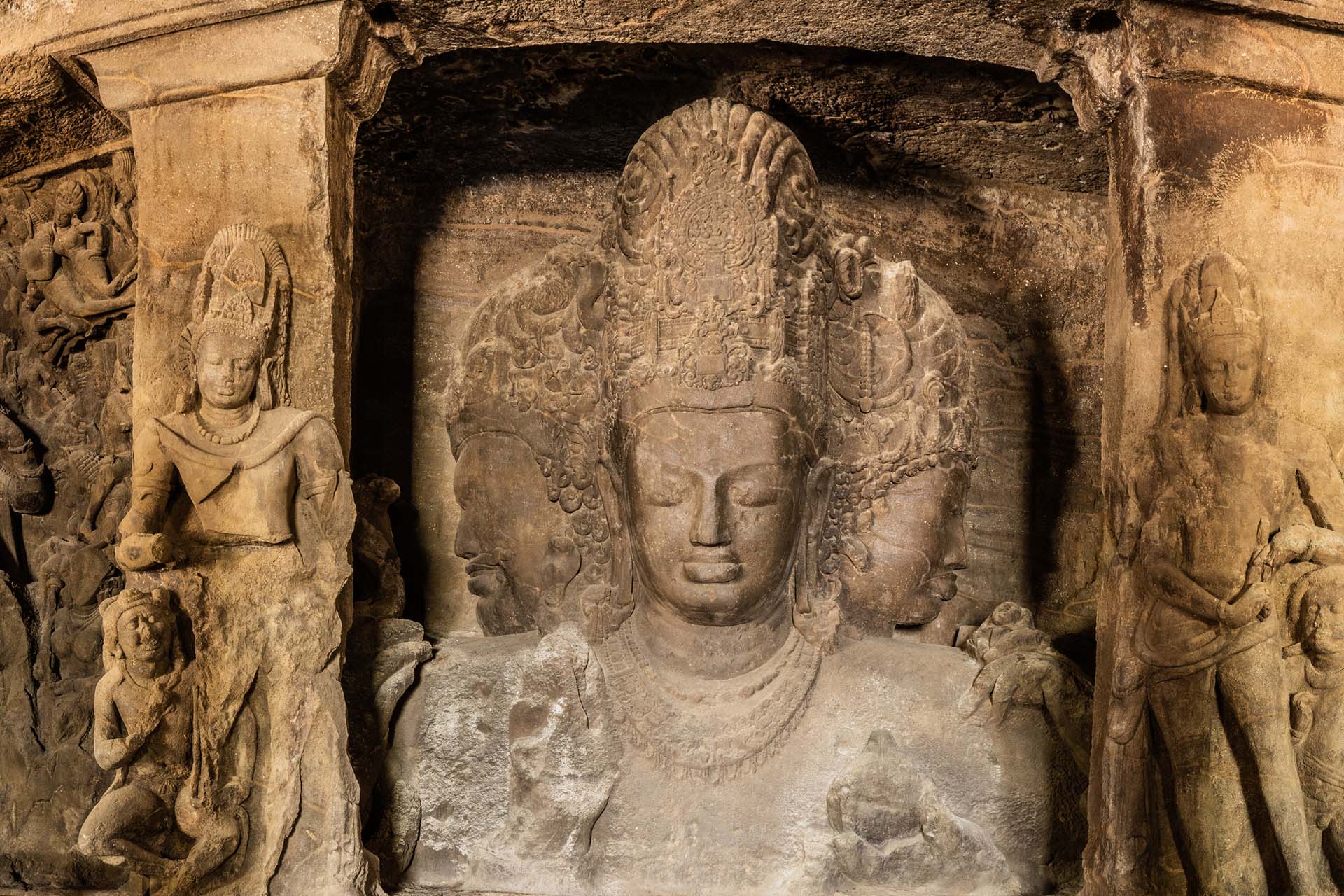
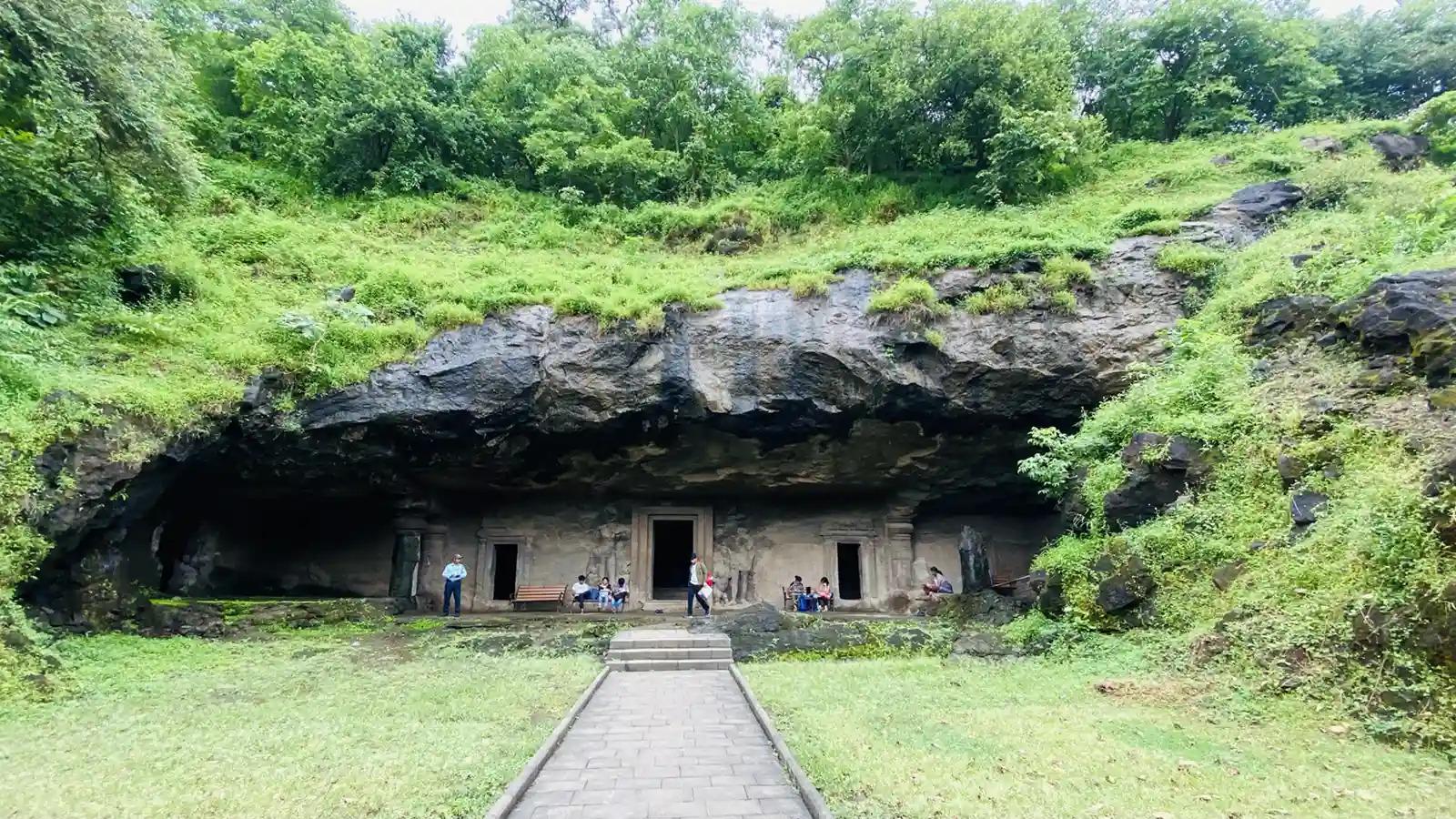
The 5.7-metre Trimurti of Shiva inside the elephanta caves was carved from a single basalt cliff, never moved, never assembled. The island took its European name from a colossal stone elephant the Portuguese found on the shore in the sixteenth century.
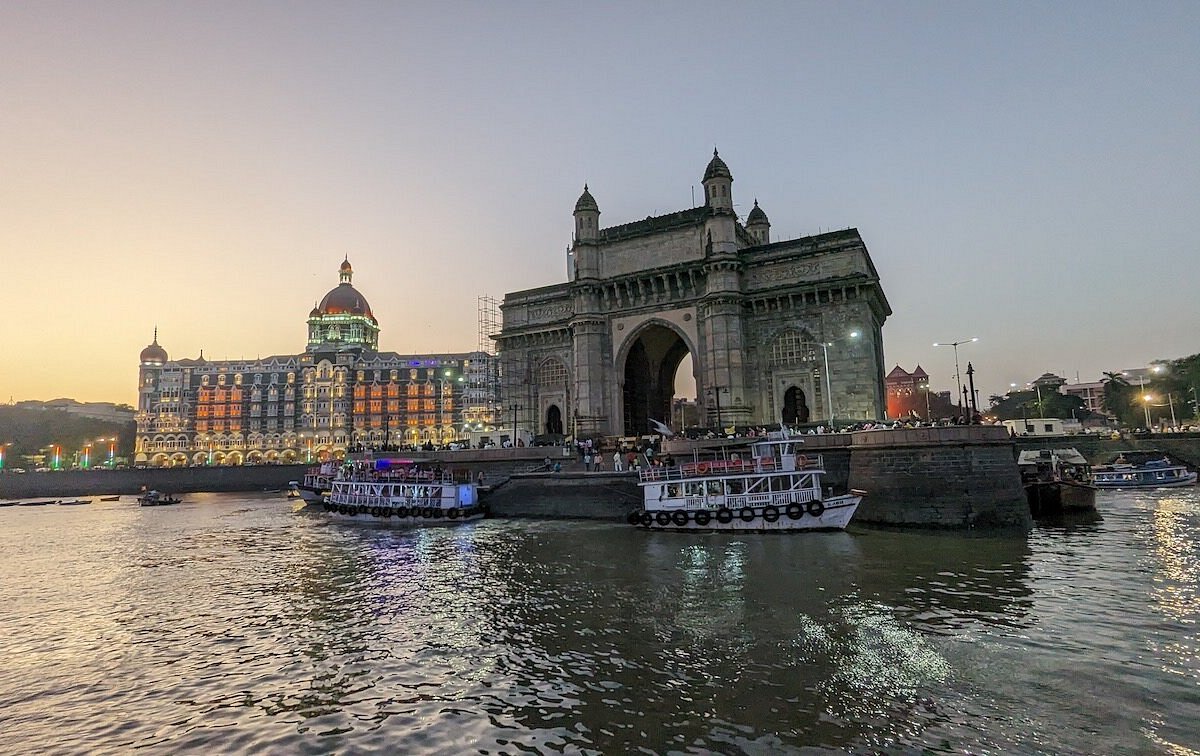
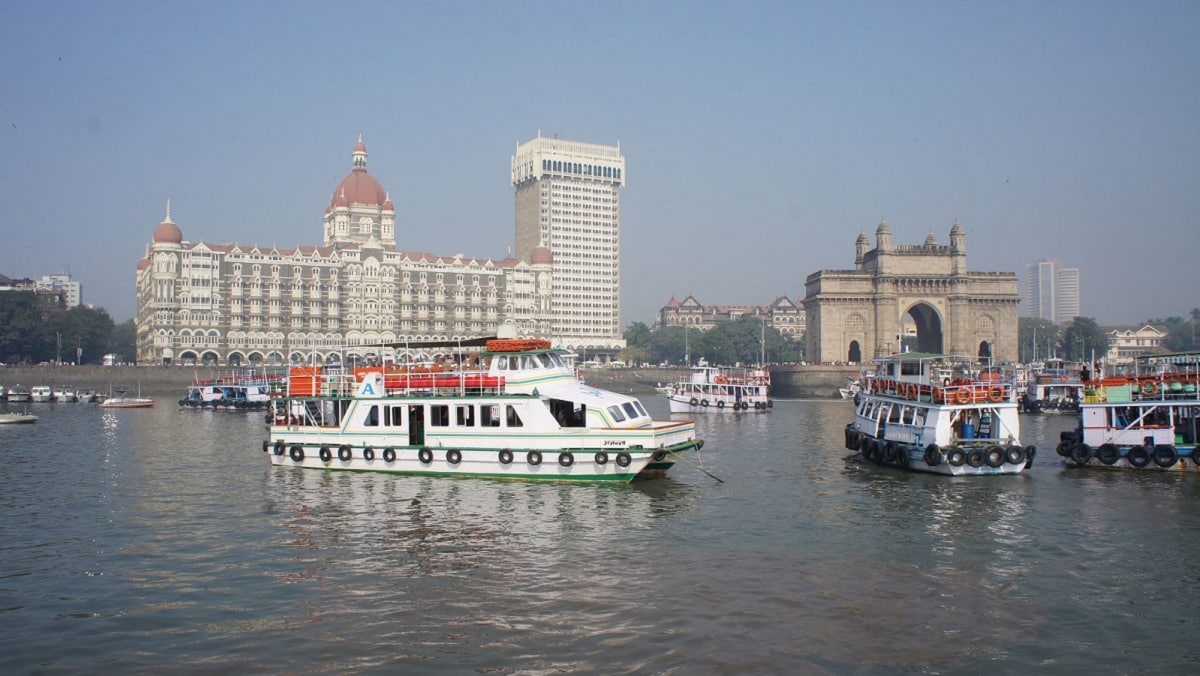
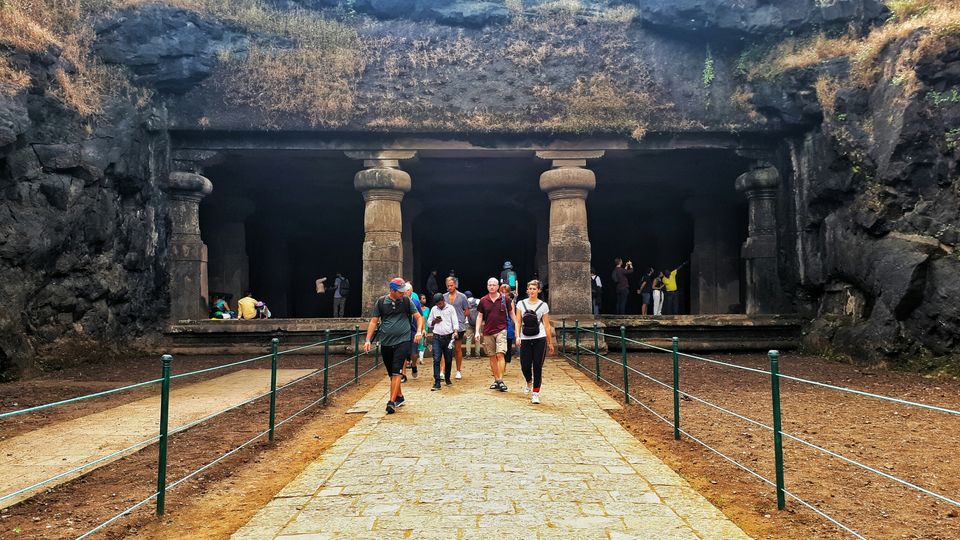
Dated to the mid-sixth century, these Shaiva rock-cut temples on Gharapuri Island survived Portuguese garrisons, monsoon salt, and centuries of neglect before UNESCO inscribed them in 1987. Most travellers reach the gharapuri caves the same way: an hour-long boat from the Gateway of India, where the gateway of india to elephanta caves ferry runs in daylight hours. With a ferry elephanta caves crossing and a confirmed elephanta caves ferry ticket, the columns, the sanctum, and the sleeping Yogishvara still hold the harbour's only ancient silence — which is why the elephanta caves tours endure.
"Carved from a single basalt cliff, never moved, never assembled."
A step-by-step walkthrough of Elephanta Caves tickets — what you'll see, how long each stage takes, and the details that matter.
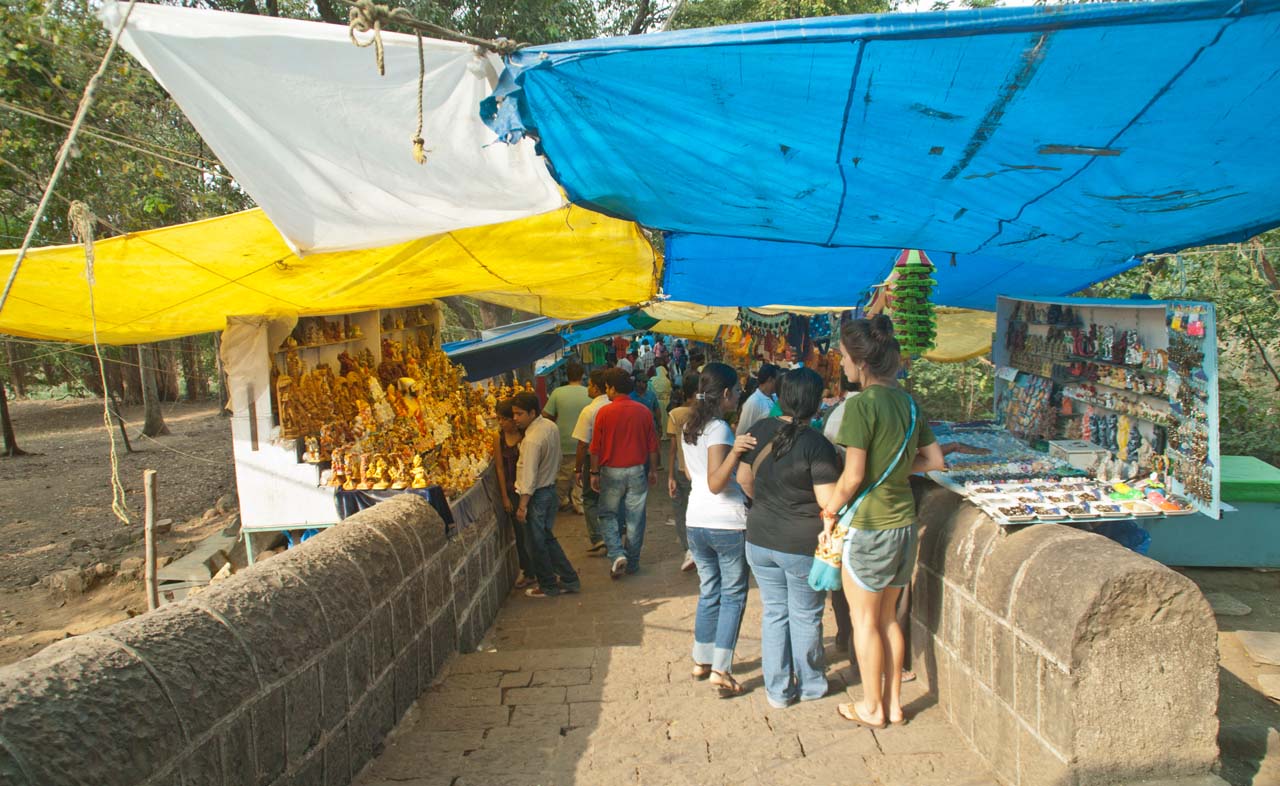
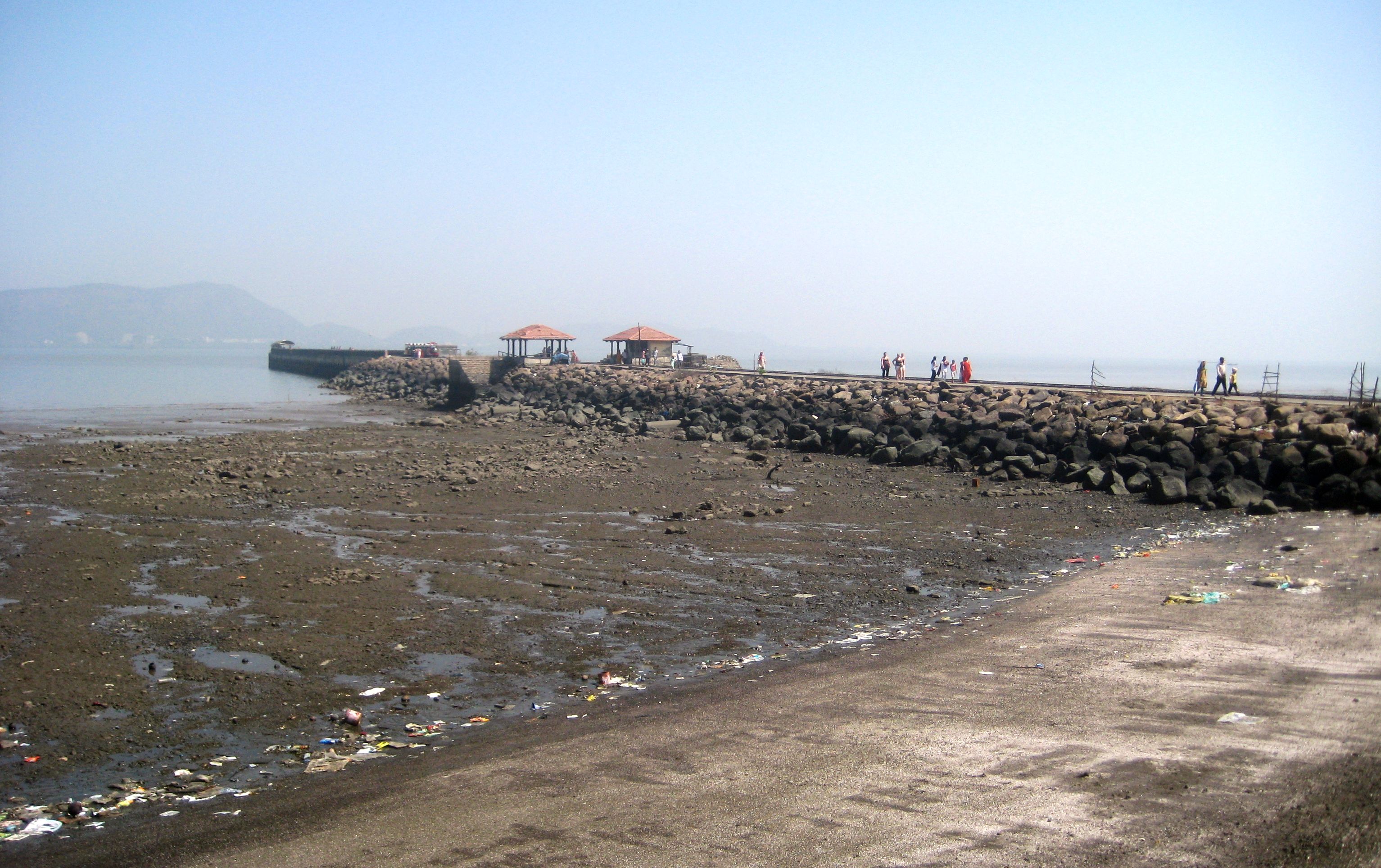
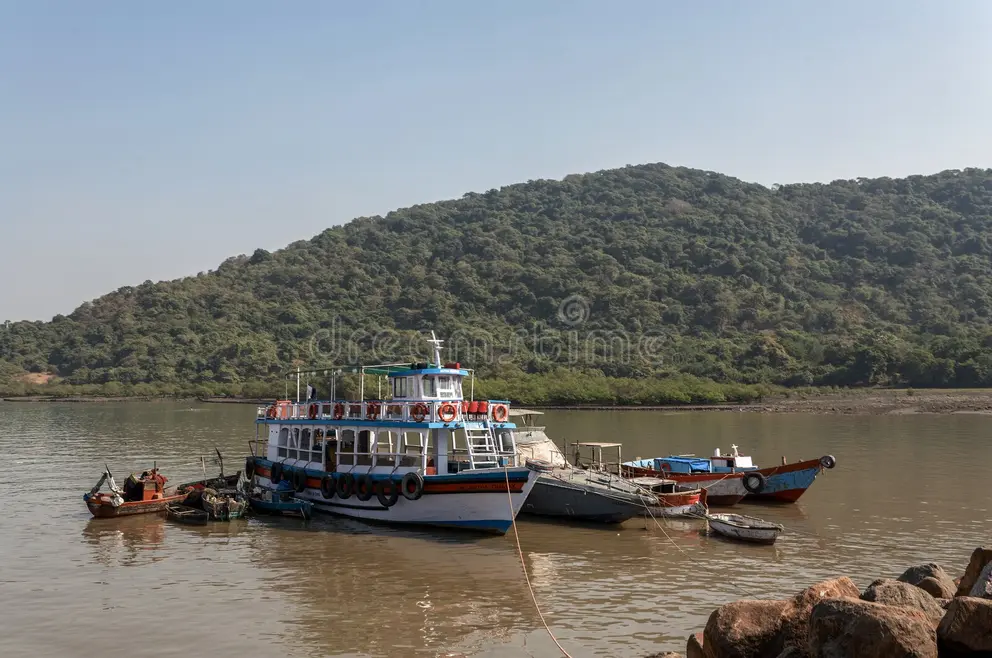
You board at the Gateway of India and the elephant island boat tour pulls into Mumbai Harbour, gulls trailing the wake for an hour. You dock, skip the toy train, and start the climb — 120 steps lined with stalls selling shawls and cold water.
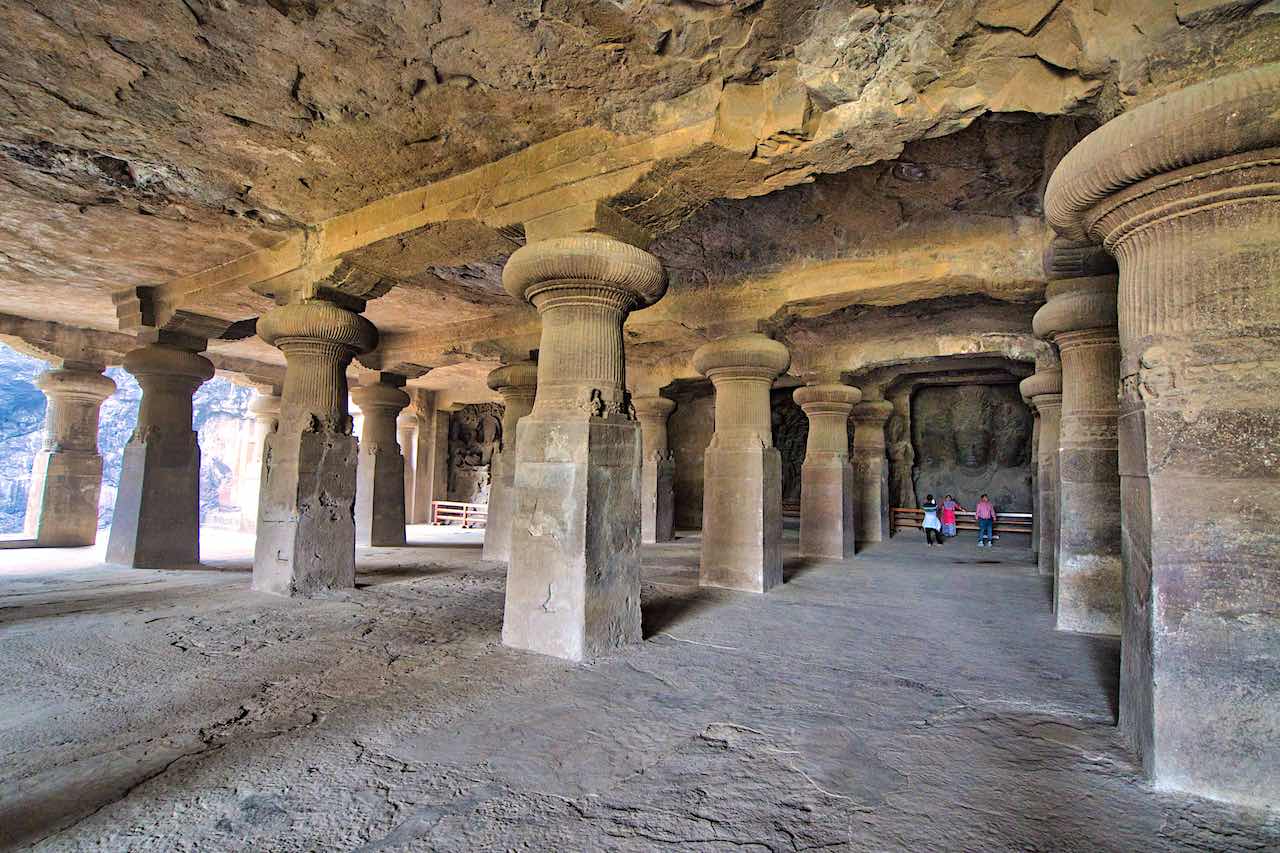
At the top you pause, breathe, then step from glare into shadow. The main cave opens cool and vast; you trace the columns toward the Trimurti, three faces emerging from the rock. You linger at the Ardhanarishvara panel, photograph the sanctum's worn guardians, then turn back downhill before the midday ferries unload. Arrive between 09:00 and 12:00 and the light, the air, and the crowds all favour you. The best elephanta caves tour is an early one.
The landmarks, rooms, and views travelers on Elephanta Caves tours remember — all visible on a single visit.
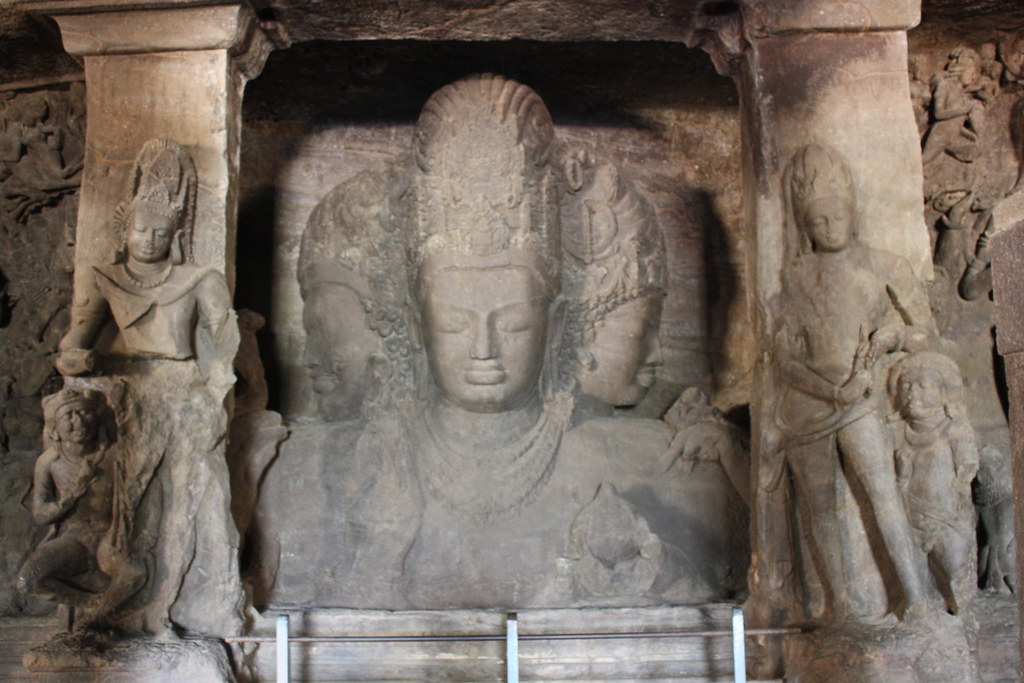
The south-wall centrepiece of Cave 1 stands approximately 6.3 metres tall and depicts Shiva's three cosmic aspects — creation, preservation, and destruction — through three faces carved from a single basalt panel, making it one of the most studied sculptures in Indian art history.
The northern entrance wall of the Great Cave carries a damaged but still powerful relief of Shiva as Nataraja — Lord of the Cosmic Dance — framed by a ring of flame and attended by celestial musicians carved in high relief.
This panel on the west wall of Cave 1 depicts Shiva as Ardhanarishvara, the androgynous composite of Shiva and Parvati divided vertically down the body, illustrating the non-dual nature of cosmic energy in a single 5-metre-tall carving.
On the east wall of the Great Cave, this high-relief panel shows the demon-king Ravana shaking Mount Kailash, with a serene Shiva pressing the mountain down with one toe while Parvati grips his arm — conveying narrative tension and emotional depth rarely matched in early medieval Indian stone carving.
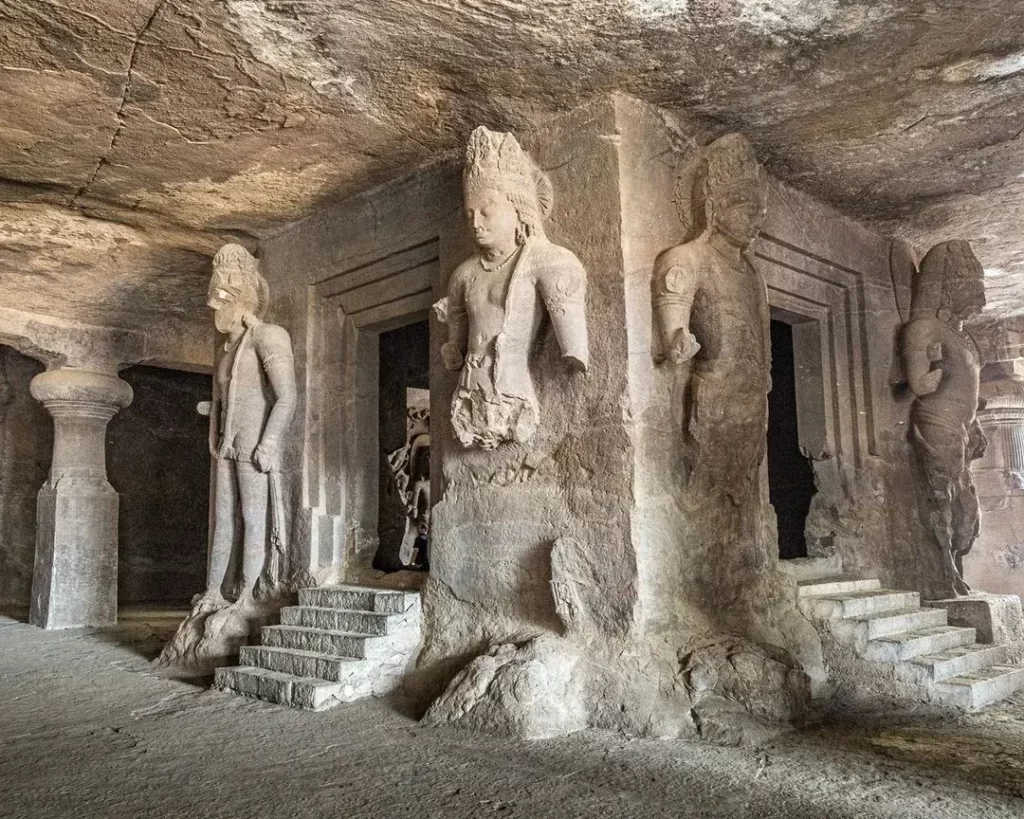
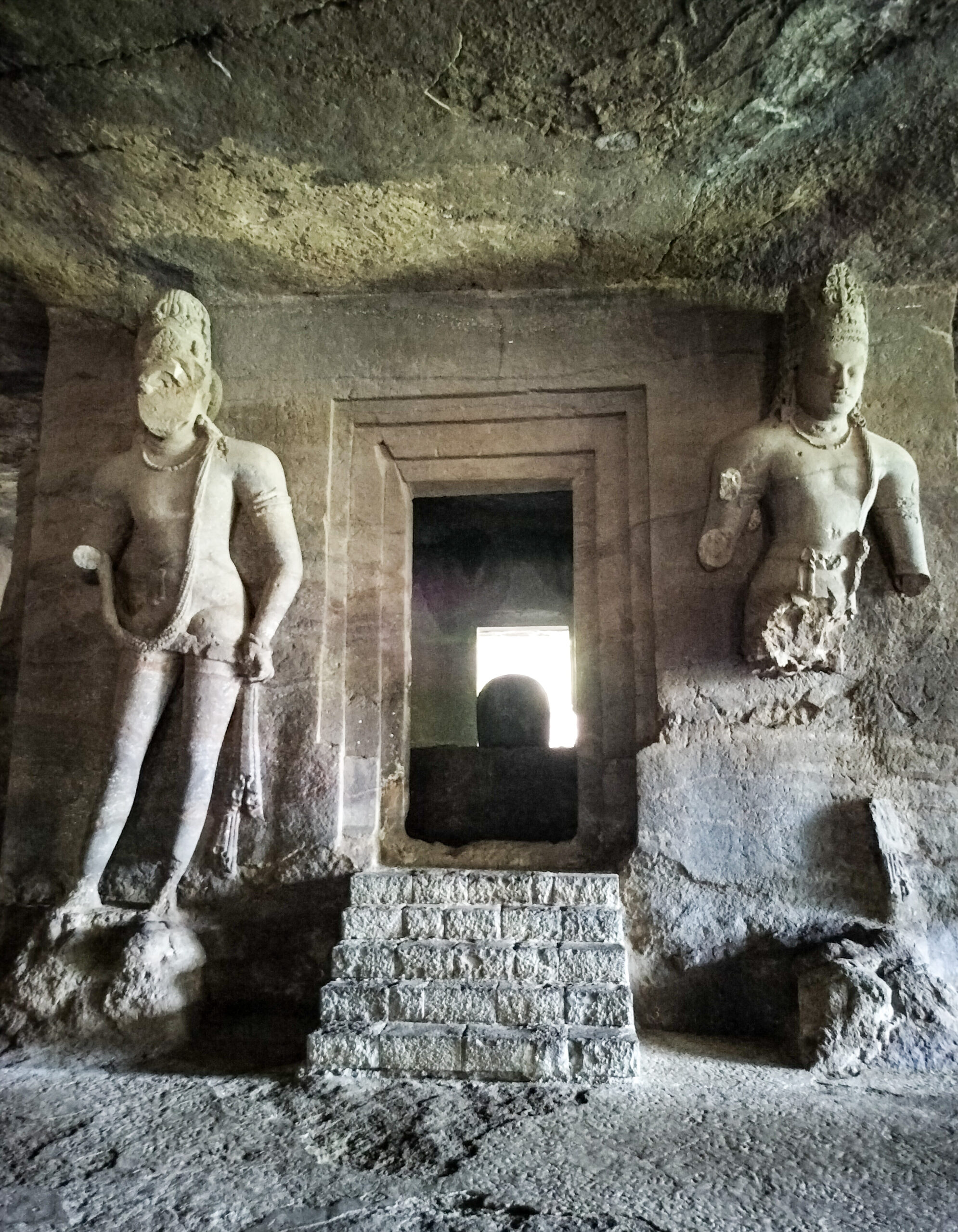
At the geometric centre of Cave 1 stands the Sarvatobhadra (auspicious on all sides) shrine — a square sanctum with doorways on all four sides, each flanked by carved dvarapalas (doorkeepers), housing a large Shivalinga that remains an active site of worship visited by pilgrims.
Every Elephanta Caves tour side-by-side — duration, what's included, how you redeem.
| Experience | From | Duration | Transfers | Pickup | Lunch | Tax inc. | Free cancel. | Price | |
|---|---|---|---|---|---|---|---|---|---|
|
Skip-the-line Most popular
Mumbai Heritage Walk and Elephanta Caves Experience
|
— | 6 hr | — | — | — | — | ✓ | $28 | Book → |
|
Standard Entry
Private Elephanta Caves & Mumbai Sightseeing Tour with AC Car
|
— | — | — | — | — | — | ✓ | $29 | Book → |
|
Luxury / Private
Elephanta Caves & Island Guided Private Tour
|
— | — | — | — | — | — | ✓ | $42 | Book → |
|
Guided Experience
All inclusive Elephanta Caves Guided Tour
|
— | — | — | — | — | — | ✓ | $50 | Book → |
|
Premium Combo
Elephanta caves by Premium Speedboat
|
— | — | — | — | — | — | ✓ | $109 | Book → |
All prices from verified partners. Availability and exact terms confirmed at checkout.
Choose your ticket, select your date, and reserve in under two minutes. Secure checkout handled by our verified partner.
Instant confirmation by email, with a mobile voucher you can save offline. No printing, no queuing at a collection desk.
Arrive at the entrance, show your voucher on your phone, and walk in. Most tickets include priority or skip-the-line access.
Practical details for Elephanta Caves tickets straight from our verified partners — hours, access, rules, and how to get there.
Apollo Bunder, Colaba, Mumbai 400001
Main departure point; buy ferry tickets here. Arrive 20–30 minutes before sailing.
Open in Google MapsCatch BEST bus routes 111 or 112 to Apollo Bunder (Gateway of India), then board the MTDC or private ferry to Elephanta Island. Ferries run every 30 minutes from ~09:00; last outbound ferry ~14:00.
Take an Ola or Uber to Gateway of India (Apollo Bunder, Colaba), then walk to the ferry jetty.
Take the Western or Central line to Churchgate or CST respectively, then travel by bus or taxi ~2 km to Gateway of India.
No formal dress code is enforced at elephanta caves, but modest, comfortable clothing is strongly advised as several areas remain active places of Shaivite worship. Lightweight, breathable fabric is recommended given the humidity inside basalt cave chambers, particularly during June–September. Shoes that can be slipped off easily are practical at shrine entrances.
Bags are subject to a basic security check at the island entry point before visitors reach the ticket counter. Large backpacks and suitcases are permitted but impractical given the 120-step climb to the main cave. A small daypack with essentials is the most manageable option.
Still photography with mobile phones and personal cameras is free of charge at elephanta caves. Videography using professional equipment requires a paid permit (₹25). Flash photography near the Trimurti Sadashiva and other carved panels is discouraged to protect pigment traces on the rock surface. Drone operation is prohibited across the island.
The 120-step stone staircase from the ferry jetty to the entrance of Cave 1 has no elevator or ramp alternative, making the main cave inaccessible for wheelchair users. A small toy train (₹10) runs along the flat pier area to the staircase base, which reduces the initial walking distance. Visitors with limited mobility should plan extra time and be aware that pathways inside the caves are uneven basalt rock. Handrails are present on portions of the main staircase.
Mobile phone signal is intermittent on Elephanta Island; most Indian network providers offer 4G coverage at the pier and along the main path, but connectivity weakens inside the deeper cave chambers. Download offline maps and any required information before boarding the ferry. Mobile phone photography inside the caves is free of charge.
Elephanta caves tours are well suited for families with older children and teenagers who can manage the 120-step climb. Younger children may find the ascent tiring in peak summer heat; early morning arrival between 09:00 and 10:00 significantly reduces the physical strain. The island's resident macaque monkeys delight younger visitors but should not be fed or provoked, as they can be aggressive. The toy train at the pier base is a popular option for families.
The MTDC Resort restaurant near the cave complex serves hot Indian meals, thalis, and snacks in a clean setting. Numerous stalls along the path from jetty to cave entrance sell vada pav, bhajias, fresh coconut water, and cold drinks. There are no restaurants inside the cave chambers themselves. Carrying a reusable water bottle is strongly advised, especially between April and September when temperatures and humidity are high.
Pets are not permitted on the MTDC and private ferry services operating from Gateway of India to Elephanta Island, and are therefore not allowed on the island. Visitors travelling with animals should make alternative arrangements before departure.
The island has a small on-site archaeological museum near the ticket counter exhibiting recovered sculptures and contextual information on other rock-cut cave temples across India. Entry to the museum is included within the site ticket. The last ferry returning to Gateway of India departs Elephanta Island at approximately 17:30, so visitors should begin their descent no later than 17:00 to avoid missing it.
Apollo Bunder, Colaba, Mumbai 400001
Main departure point; buy ferry tickets here. Arrive 20–30 minutes before sailing.
Get directions
Elephanta Island, Mumbai Harbour, Maharashtra 400094
Arrival point; toy train stop and start of the market path to the caves.
Get directionsBest time to go, insider tips, nearby landmarks, and the cancellation fine print — flip through to skim what matters to you.
How crowds, weather, and events shift across the year.
Cool, dry weather with low humidity; the most comfortable conditions for climbing the 120 steps and exploring basalt cave chambers.
Warm and mostly dry; manageable heat if arriving in the 09:00–11:00 window before midday sun intensifies.
Very hot and humid; visit only on early-morning ferry and carry ample water.
Monsoon season brings lush greenery on the island but significantly increases ferry cancellation risk due to rough seas; check operator status each morning.
Post-monsoon transition; fresh greenery remains, humidity drops, and crowd levels are moderate — a good shoulder-season window.
Small details that turn a good visit into a great one.
Board the 09:00 sailing from Gateway of India to arrive before the main midday crowds; the caves feel noticeably calmer and cooler in the first two hours after opening.
The last outbound ferry from Gateway of India leaves around 14:00; missing it means a very short visit. Plan to board a return vessel well before 17:30 when the caves close.
Macaque monkeys are plentiful on the path from the jetty to the cave steps. Keep food secured in a closed bag and do not make eye contact or offer food — they will grab snacks and bags.
The ticket counter and food stalls are cash-only; ATMs do not exist on Elephanta Island. Bring sufficient small-denomination rupee notes before boarding the ferry.
Government-licensed guides station themselves near the ticket counter and charge a fixed fee. A 45-minute guided walk through Cave 1 substantially deepens understanding of the Shaivite iconography that is otherwise easy to misread.
Between June and September, ferries are cancelled at short notice when seas are rough. Check with the MTDC counter at Gateway of India on the morning of your visit rather than assuming services are running.
Non-bookable sights within a short walk — free to visit, easy to pair.
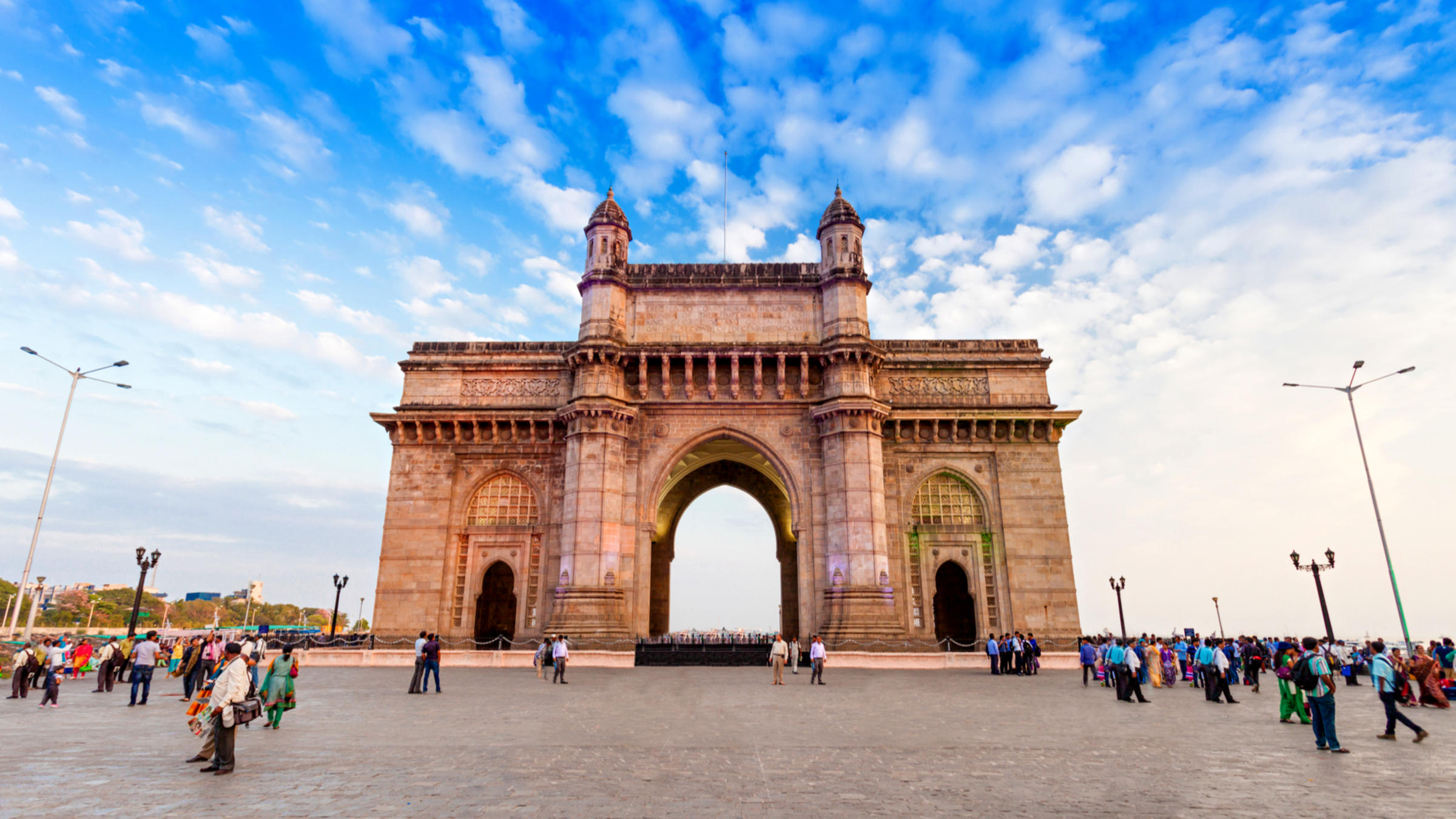
Triumphal arch built in 1924 on Apollo Bunder; the mandatory departure point for all Elephanta ferries.
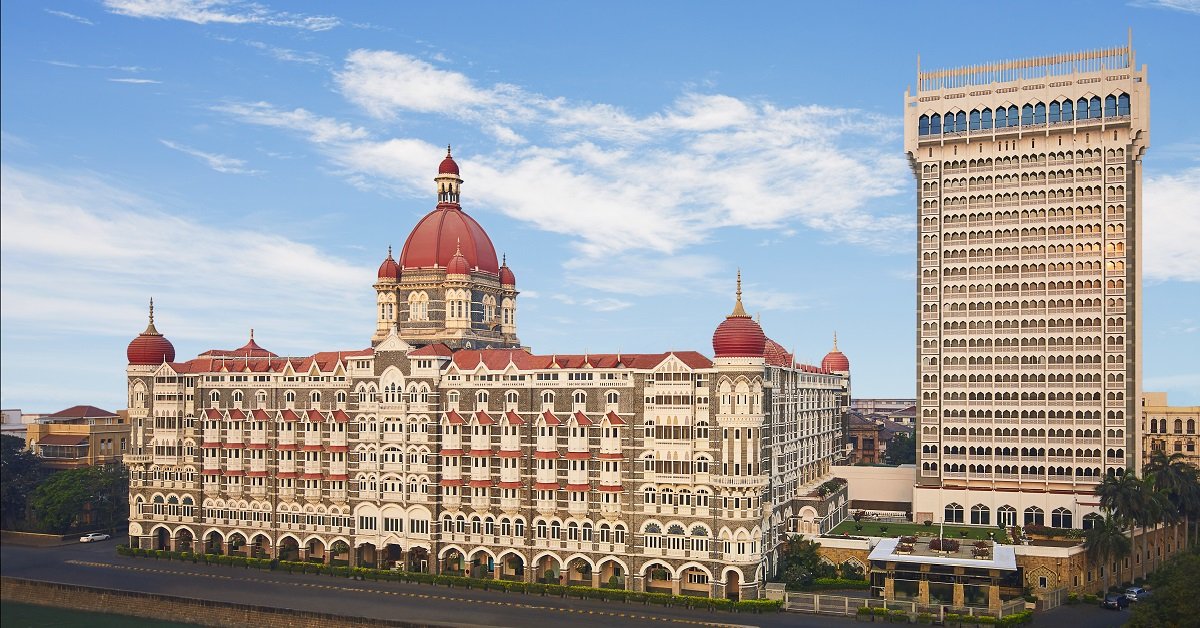
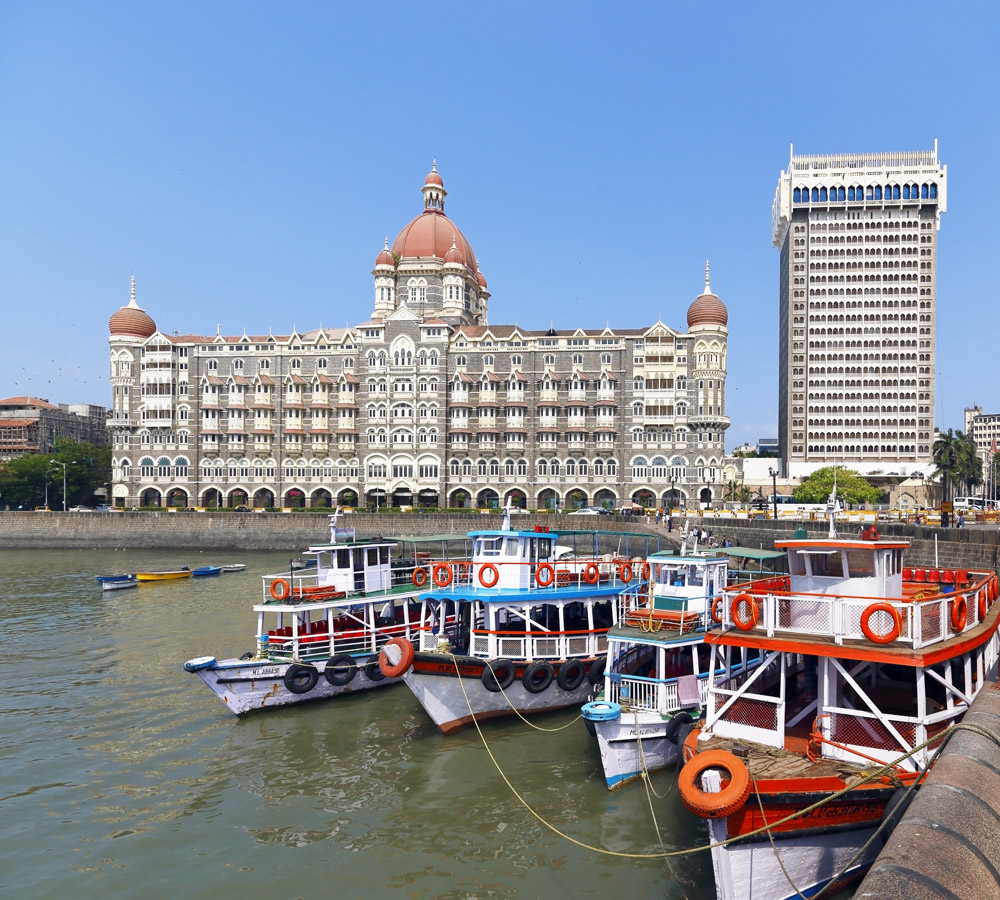
Heritage hotel opened in 1903 facing the harbour; notable for its Moorish-Gothic facade.
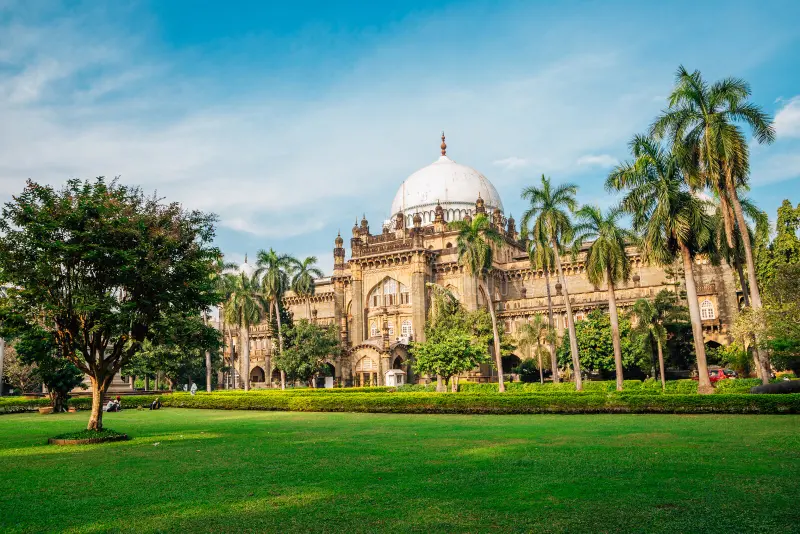
Mumbai's principal art and natural history museum with a significant collection of Elephanta-related sculpture fragments.
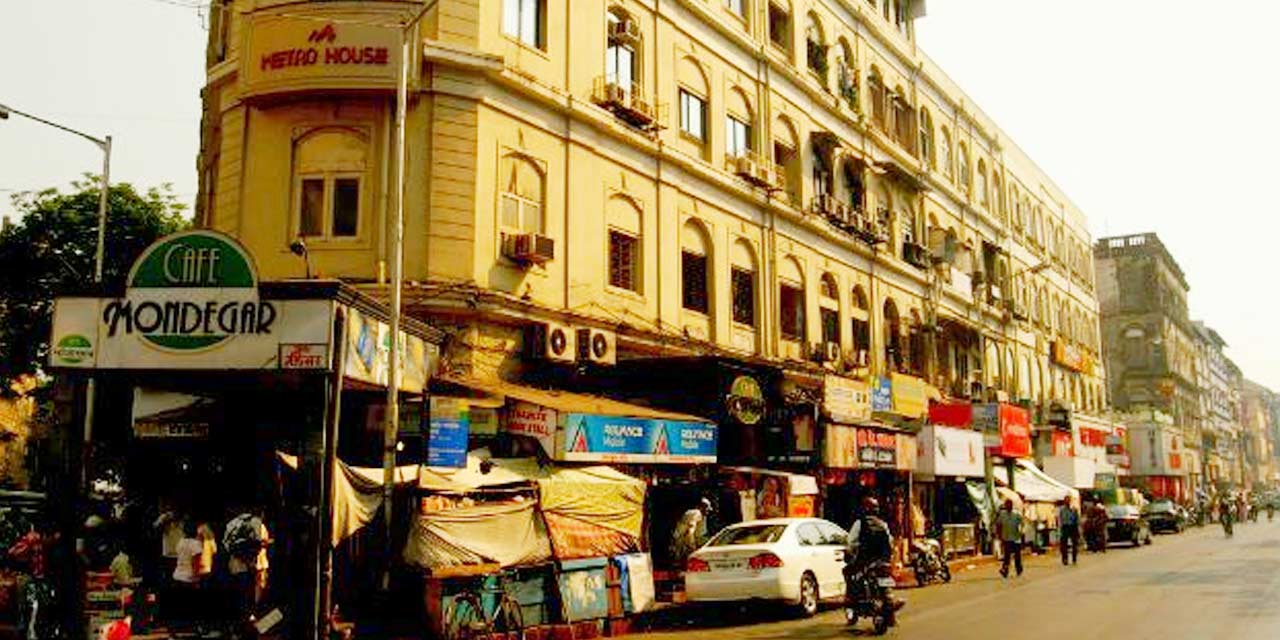
Bustling market street known for antiques, street food, and colonial-era architecture.
Flexible, no hidden fees.
The ₹600 ASI conservation fee paid at the island ticket counter is non-refundable once purchased. Ferry tickets (sold separately at Gateway of India) may be refunded or exchanged if the service is cancelled by the operator due to adverse weather or rough seas.
Hand-picked options within walking distance — pick a district for vibe, or a specific hotel for convenience.
Iconic heritage hotel directly facing the harbour; the closest luxury base for an early ferry departure.
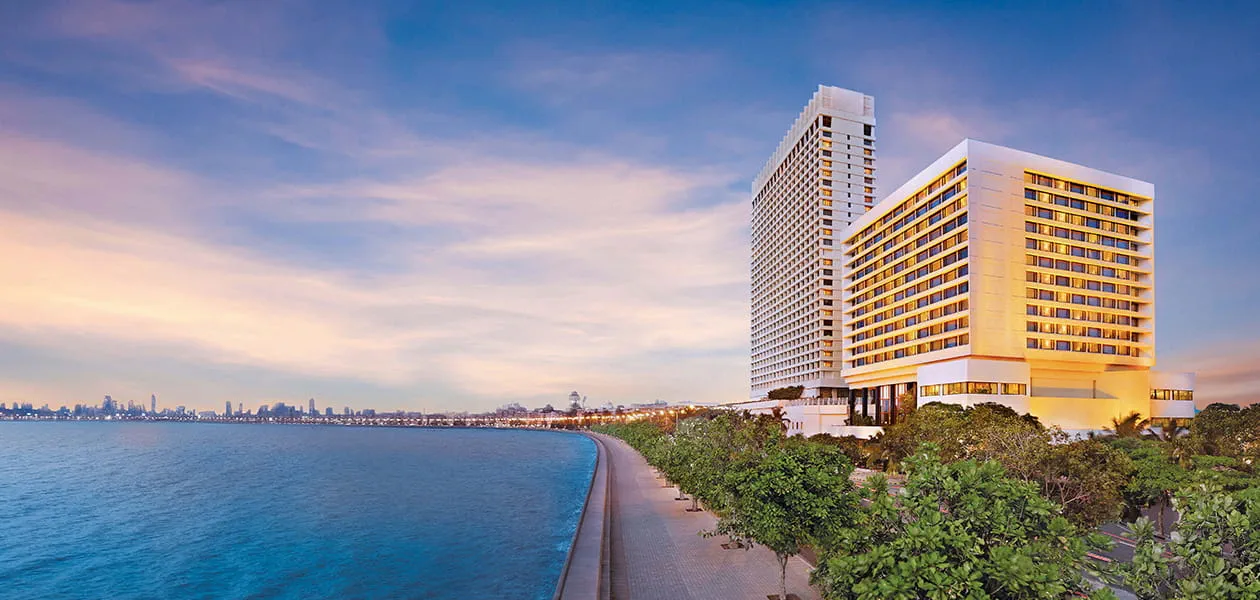
Five-star property in Nariman Point with harbour views; a frequent base for international visitors to the caves.
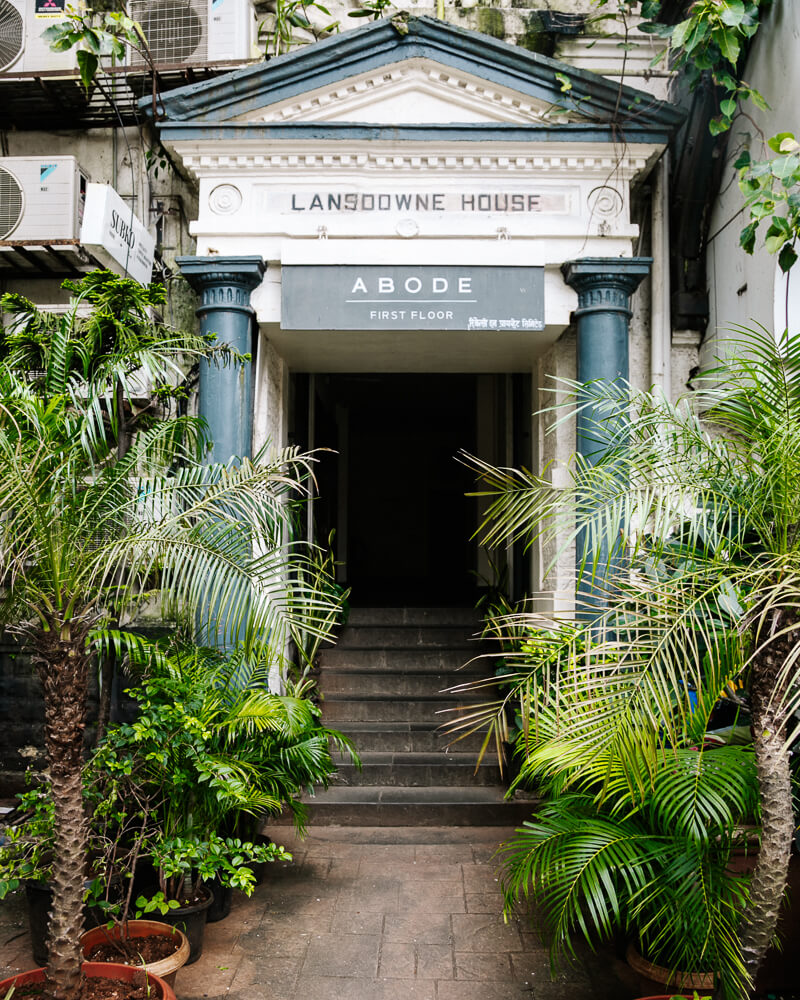
Compact boutique guesthouse in Colaba popular with heritage travellers.
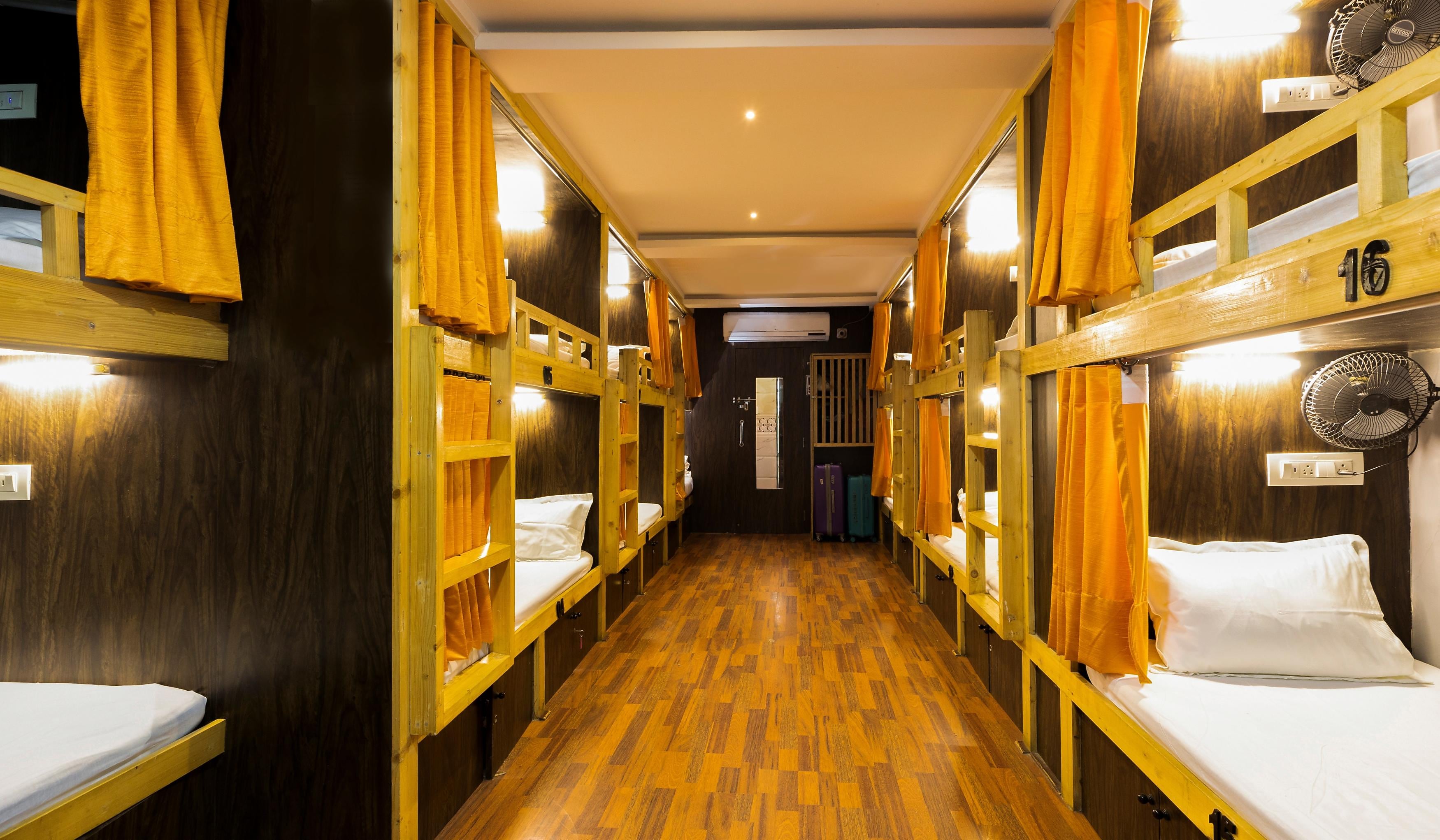
Several budget guesthouses and hostels line the Colaba backstreets; well-suited for early departures.
Elephanta caves are open Tuesday through Sunday from 09:00 to 17:30. The site is closed every Monday and on national public holidays. The first ferry from Gateway of India departs at approximately 09:00, arriving on the island around 10:00.
The ASI conservation fee for foreign nationals is ₹600 per person, paid at the ticket counter on Elephanta Island. Indian nationals and citizens of several SAARC countries pay a lower rate. Children under 15 enter free of charge.
The main attraction involves climbing 120 stone steps from the base of the hill to Cave 1, with no elevator or ramp alternative currently available. A small toy train (₹10) covers the flat section from the pier to the staircase base, which reduces walking distance. Visitors who cannot manage the steps are unable to access the interior cave sculptures.
November through February offers the most comfortable conditions, with dry weather and moderate temperatures that make the 120-step climb considerably easier. October is a good shoulder-season alternative. Visiting the elephanta caves during the June–September monsoon is possible but ferry cancellations are frequent due to rough seas.
Still photography with personal cameras and mobile phones is free at the rock-cut temples on Gharapuri Island. Videography with professional equipment requires a paid permit of ₹25. Drone flights are prohibited across the island, and flash photography near carved panels is strongly discouraged to protect the basalt sculptures.
The only access to elephanta caves is by ferry from the Gateway of India jetty in Colaba, South Mumbai. Ferries run approximately every 30 minutes from around 09:00, with the last outbound boat at about 14:00; the crossing takes one hour each way. Return ferry tickets cost approximately ₹200 round-trip and can be purchased at the jetty.
An MTDC Resort restaurant near the cave complex serves Indian meals and snacks. Numerous stalls along the path from the jetty to the steps sell vada pav, fresh coconut water, and cold drinks. There are no food outlets inside the cave chambers. Carrying a reusable water bottle is strongly recommended, especially during warmer months.
No strict dress code is enforced at the Gharapuri Island site, but modest and breathable clothing is advisable as some shrine areas are active places of worship. Comfortable shoes that can be removed at shrine entrances are practical. Avoid heavy denim or synthetic fabrics during the monsoon and summer months.
Elephanta caves tours are well suited for families with children aged 8 and above who can manage the 120-step staircase. A toy train at the pier reduces the initial flat walk. Resident macaques on the path fascinate children but should not be fed. Early morning arrival before 10:00 avoids the worst midday heat and thinning crowd.
Prohibited items include drones, tripods without ASI permits, alcohol inside cave chambers, plastic bags, loud speakers, professional video equipment without a permit, and any tools that could damage rock surfaces. Feeding the island's resident monkeys is also prohibited.
The ₹600 ASI conservation fee is non-refundable once purchased at the island ticket counter. Ferry tickets sold separately at Gateway of India may be refunded or exchanged if the service is cancelled by the operator due to adverse weather — confirm the operator's specific policy at the time of booking.
Gateway of India (the ferry departure point itself) and the Taj Mahal Palace Hotel are immediately adjacent to the jetty. The Chhatrapati Shivaji Maharaj Vastu Sangrahalaya museum in South Mumbai, which holds recovered Elephanta sculpture fragments, makes an excellent same-day combination after returning from elephanta caves tours.